
MBA Admissions Mentorship & Application Strategy.
Strategic admissions mentorship for ambitious working professionals targeting leading global business schools. Clarifying leadership impact, defining cohesive career goals, and mastering business school applications.
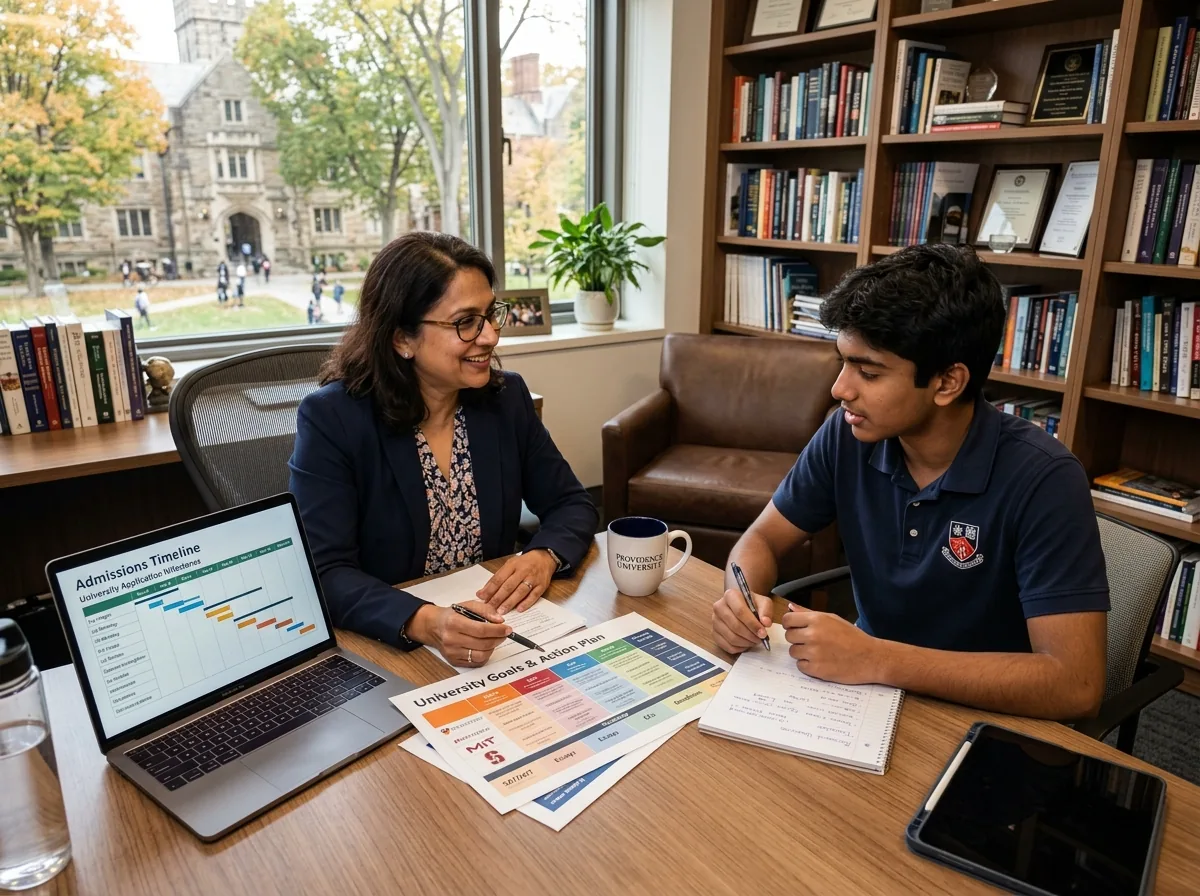
Working professionals • Leadership velocity and post-MBA trajectory.
Who This Mentorship Is For
MBA admissions mentorship is structured for professionals planning their next major career inflection point.
Experienced Professionals (2–7+ Yrs)
Candidates in engineering, technology, consulting, finance, corporate, or entrepreneurial roles seeking full-time MBA programs to accelerate their career trajectory.
Career Pivoters
Professionals targeting functional transitions (e.g., technical engineering to product management) or industry shifts (e.g., corporate to strategy consulting or venture capital).
Deferred MBA Candidates
Final-year undergraduate or master's students seeking early admission to top deferred MBA programs before entering the workforce.
Pillars of MBA Admissions Mentorship
Business school admissions evaluates leadership potential, self-awareness, and peer contribution. We guide you through each strategic component.
Professional Impact & Leadership Narrative
Translating workplace responsibilities into evidence of leadership velocity, quantifiable achievements, cross-functional initiative, and strategic problem-solving.
Career Goals Architecture (Short- & Long-Term)
Developing clear, credible career goals connecting your prior trajectory with target business school resources and a logical post-MBA employment vision.
Business School Fit & Culture Alignment
Curating a balanced list of business schools aligned with your preferred learning pedagogy (case method, experiential labs, or lecture), industry strengths, and cohort culture.
MBA Essay Mentorship & Storytelling
Mentoring candidates through institutional essay prompts—leadership anecdotes, personal reflection, ethical dilemmas, and teamwork—helping you convey authentic perspective.
Executive One-Page Resume Positioning
Restructuring functional or technical resumes into concise, high-impact business resumes focused on measurable results, scope of influence, and business metrics.
Recommendation & Reference Strategy
Advising on how to prepare and guide professional recommenders (direct managers and supervisors) to provide concrete, detailed examples of your leadership capabilities.
How Business School Admissions Committees Think
Business school admissions committees evaluate candidates through the lens of future leadership and cohort impact. Unlike academic graduate programs that prioritize individual research output, MBA programs rely on case-based and experiential learning environments where students learn directly from one another's professional perspectives.
Admissions officers assess what unique professional insights, managerial maturity, and cultural perspective you will contribute to your study group and class discussions, as well as whether your post-MBA career aspirations are realistic, well-researched, and aligned with current market recruiting realities.
Informed by Ivy League Business School Training
MBA strategy at EduLinkers is led by Shobhit Misra, whose verified academic background includes an MBA from Cornell University's SC Johnson School of Management. His interdisciplinary training across engineering, law, and business provides a structured foundation for evaluating professional leadership narratives and business school positioning.
We help professionals translate complex industry achievements into clear, persuasive leadership narratives that resonate with MBA admissions committees.
How Core Services Support MBA Applicants
MBA candidates leverage our core advisory pillars to build a comprehensive, competitive application portfolio.
Profile Assessment
Evaluating your work experience, career velocity, leadership trajectory, and testing metrics.
TargetingUniversity Strategy
Curating a balanced shortlist of business schools categorized by culture, pedagogy, and employment fit.
Essay GuidanceEssay Mentorship
Brainstorming authentic leadership reflections, goals articulation, and school-specific essays.
ReadinessInterview Prep
Mock interview practice and executive communication clarity for adcom and alumni behavioral interviews.
Frequently Asked Questions
How many years of work experience are typically expected for competitive MBA programs?
Most global full-time MBA programs matriculate students with an average of 4 to 5 years of full-time professional experience, though candidates with 2 to 3 years or 6+ years can be competitive if they demonstrate strong leadership velocity, organizational impact, and clear post-MBA goals.
Should international applicants apply in Round 1 or Round 2?
For international applicants, Round 1 is often advantageous because all seats are open and there is ample time for visa processing. However, applying with a complete, fully refined application in Round 2 is always preferable to rushing a compromised submission in Round 1.
How does an MBA resume differ from a standard job-search resume?
A job-search resume often emphasizes technical skills and tactical tasks. In contrast, an MBA resume must strictly adhere to a one-page format that highlights leadership, strategic decision-making, quantifiable business outcomes, and cross-functional team collaboration.
How are GMAT and GRE scores considered by business schools?
Top business schools generally accept both the GMAT and GRE without preference. Standardized test scores provide a standardized benchmark of quantitative and verbal reasoning, evaluated alongside your undergraduate record and workplace analytical responsibilities.
Plan Your MBA Admissions Strategy
Schedule an introductory consultation to discuss your professional background, evaluate target business schools, and establish an application timeline.